
Primary Rhinoplasty in Turkey
Primary rhinoplasty is the first surgical procedure performed to reshape the nose. It can improve nasal proportions, refine specific features and address structural breathing concerns when appropriate. Every treatment plan should reflect the patient’s facial anatomy, skin characteristics and individual goals.
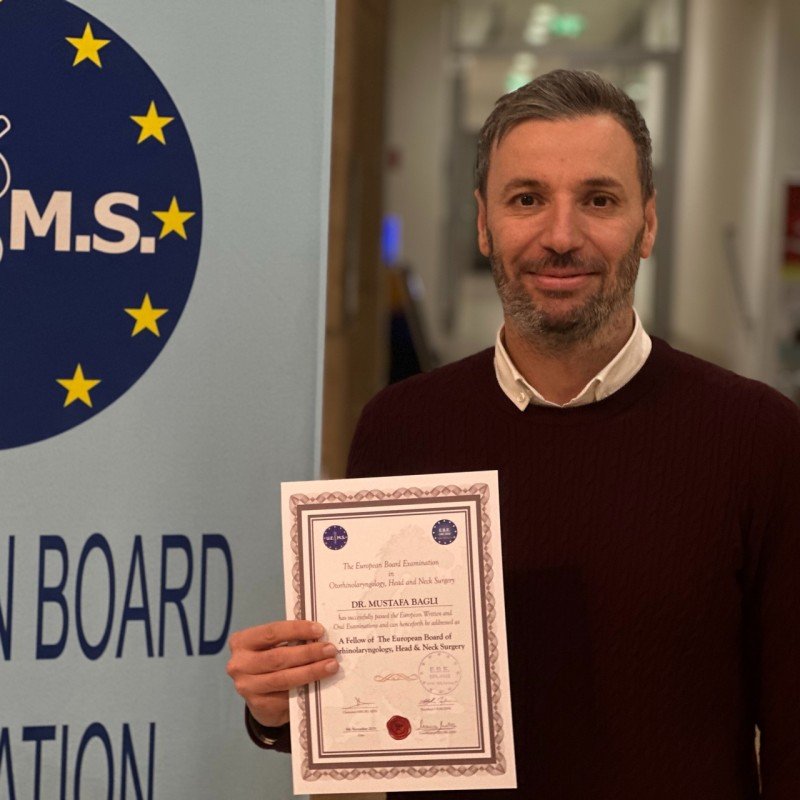
For patients considering primary rhinoplasty in Istanbul, Dr. Mustafa Bağlı’s approach combines aesthetic planning with an assessment of nasal function. The aim is a balanced appearance supported by a stable nasal framework.
What Is Primary Rhinoplasty?
Primary rhinoplasty, also called first-time rhinoplasty or nose reshaping surgery, involves modifying the bone and cartilage that determine the shape of the nose. Treatment may focus on the nasal bridge, tip, nostrils or overall proportions.
Unlike revision rhinoplasty, a primary procedure works with a nasal framework that has not previously been altered by rhinoplasty surgery. However, previous septoplasty, nasal injuries and injectable treatments remain relevant and should be discussed during consultation.
A first rhinoplasty still requires detailed surgical planning. Its complexity depends on the existing anatomy, the changes requested and the structural support needed to preserve nasal function.
What Can Primary Rhinoplasty Address?
The changes achievable through primary rhinoplasty depend on your starting anatomy. Following an examination, your surgeon may recommend treatment for:
- A prominent hump or uneven contour on the nasal bridge.
- A bulbous, drooping or overly projected nasal tip.
- A nose that appears disproportionately wide or long.
- Wide nostrils or differences in nostril shape.
- Nasal deviation or selected structural causes of restricted airflow.
The objective is to improve the relationship between the nose and surrounding facial features. Natural-looking rhinoplasty results require consideration of the forehead, chin, lips and overall facial proportions.
Who Is a Suitable Candidate for Primary Rhinoplasty?
You may be a suitable candidate for primary rhinoplasty if your facial growth is complete, you are medically fit for surgery and you have realistic expectations about the outcome.
Your consultation will consider:
- The structure and strength of your nasal bones and cartilage.
- Your skin thickness and elasticity.
- Any breathing difficulties or history of nasal injury.
- Your medical history, medications and nicotine use.
- Your reasons for seeking surgery and expectations for recovery.
Suitability cannot be determined from appearance alone. An individual medical assessment is necessary to establish whether surgery is appropriate and which changes can reasonably be achieved.
How Is Your First Rhinoplasty Planned?
Understanding Your Goals
The consultation begins with the features you would like to change and those you wish to preserve. Reference photographs may help explain your preferences, but they cannot predict your result or serve as an exact surgical template.
Assessing Your Nasal Anatomy
Your surgeon examines the bridge, tip, nostrils, septum and supporting structures. Skin thickness is particularly relevant: thicker skin may limit fine definition, while thinner skin may reveal small irregularities beneath the surface.
Evaluating Your Breathing
Aesthetic changes must be planned with the airway in mind. Assessment may identify septal deviation, nasal valve weakness or other causes of obstruction that require further consideration.
Agreeing on Realistic Changes
Your treatment plan should explain the proposed changes, their limitations and the associated risks. The goal is proportionate improvement, with respect for your individual features and nasal function.
Open vs Closed Primary Rhinoplasty
Primary rhinoplasty can be performed using an open or closed approach. The appropriate choice depends on the correction required and the access needed to work on the nasal framework.
Open Rhinoplasty
Open rhinoplasty includes a small incision across the columella, the tissue between the nostrils. This provides direct access to the underlying structures and may be selected when detailed reshaping or structural work is required.
Closed Rhinoplasty
Closed rhinoplasty uses incisions inside the nose. It may be suitable for selected patients, depending on their anatomy and the planned changes.
No single rhinoplasty technique is best for every patient. The surgical approach should follow the clinical assessment and treatment goals.
Can Primary Rhinoplasty Improve Breathing?
Primary rhinoplasty may include treatment of structural breathing problems when clinically appropriate. If a deviated septum also requires correction, your surgeon may recommend a combined procedure known as septorhinoplasty.
Other patients may need support for weakened nasal valves or a different treatment for their symptoms. Because breathing difficulties can have several causes, improvement cannot be assumed without an examination.
Dr. Mustafa Bağlı’s approach considers the internal airway alongside external nasal shape, allowing aesthetic and functional concerns to be discussed together.
Recovery After Primary Rhinoplasty
Rhinoplasty recovery is gradual. The early appearance of your nose does not represent the final result. Swelling, bruising, congestion and a feeling of pressure are common during the initial healing period.
The First Week
Your care team will provide instructions for nasal care, prescribed medication, sleeping position and follow-up appointments. A splint may be used to protect the nose during early recovery. Its removal depends on your surgeon’s treatment plan.
Returning to Work and Daily Activities
Many patients feel ready to return to desk-based work and some social activities within approximately one to two weeks. Recovery varies, and visible swelling or bruising may remain. Physically demanding work may require a longer break.
Exercise, Glasses and Travel
Your surgeon will explain when you can resume exercise, wear glasses on the nasal bridge and return to activities that could injure your nose. If you are travelling for rhinoplasty in Turkey, allow time for postoperative examinations and obtain medical clearance before flying home.
When Will the Final Result Be Visible?
Swelling decreases over several months, with finer changes continuing as the tissues settle. Final refinement often takes 12–18 months and may take longer in some patients, particularly those with thicker skin.
What Are the Risks of Primary Rhinoplasty?
Primary rhinoplasty carries risks, including bleeding, infection, anaesthetic complications, scarring, asymmetry, contour irregularities, persistent breathing difficulties and dissatisfaction with the outcome. Some patients may require further surgery.
Careful assessment, appropriate surgical planning and postoperative care help manage these risks. However, no surgeon can guarantee a specific appearance or complication-free recovery. Your consultation should include a discussion of the risks relevant to your health and anatomy.
Primary Rhinoplasty vs Revision Rhinoplasty
Primary rhinoplasty is the first rhinoplasty operation. Revision rhinoplasty is performed after an earlier rhinoplasty to address remaining or newly developed aesthetic or functional concerns.
Revision surgery may involve scar tissue, altered cartilage and reduced structural support. These factors can make treatment more complex. A carefully planned primary procedure is therefore important, although it cannot eliminate the possibility of future revision.
How Much Does Primary Rhinoplasty in Turkey Cost?
The cost of primary rhinoplasty in Turkey depends on the complexity of the operation, any functional treatment required, the surgical facility, anaesthesia and postoperative care.
An individual quotation should follow an assessment of your needs. Before booking, confirm what the fee includes, how follow-up care is arranged and which additional expenses may apply.
Price should be considered alongside surgical expertise, facility standards and continuity of care.
Dr. Mustafa Bağlı’s Approach to Primary Rhinoplasty in Istanbul
Dr. Mustafa Bağlı’s approach centres on individualised planning, facial balance and the preservation of nasal function. Each consultation considers the patient’s concerns in the context of their natural anatomy.
Planning includes an assessment of skin thickness, cartilage support, nasal proportions and breathing. Patients receive an explanation of the proposed treatment, expected recovery and limitations before making a decision.
The aim is to refine the nose in a way that complements the face while maintaining the structural support required for long-term function.
Frequently Asked Questions About Primary Rhinoplasty
Is primary rhinoplasty only cosmetic?
No. Although many patients seek changes to their appearance, primary rhinoplasty may also include treatment for structural breathing concerns. The appropriate procedure depends on your examination and goals.
Can my nose look natural after rhinoplasty?
A natural-looking result is a common treatment goal. Surgical planning considers your existing facial proportions and individual features. The outcome depends on your anatomy, the changes performed and your healing response.
Will primary rhinoplasty leave a scar?
A closed approach places incisions inside the nose. An open approach includes a small external incision between the nostrils. Additional incisions may be needed for nostril reshaping. Scar visibility varies according to the technique and individual healing.
Can I choose the exact shape of my new nose?
You can explain your preferences and discuss reference images with your surgeon. However, skin thickness, cartilage strength, facial proportions and airway requirements determine which changes are achievable. An identical copy of another person’s nose cannot be guaranteed.
Are primary rhinoplasty results permanent?
Rhinoplasty makes lasting changes to the nasal framework. However, natural ageing, tissue changes and future injuries can affect the appearance of the nose over time.
How long should I stay in Istanbul after surgery?
International patients should allow sufficient time for early recovery and in-person follow-up. A stay of approximately seven to ten days is commonly planned, but your surgeon will advise on the appropriate duration and assess your fitness to travel.
Book a Primary Rhinoplasty Consultation
Your first rhinoplasty begins with understanding what is possible for your nose. A consultation with Dr. Mustafa Bağlı provides an opportunity to discuss your appearance, breathing concerns and expectations for treatment.
Request your primary rhinoplasty consultation in Istanbul to receive an individual assessment and discuss your treatment options.